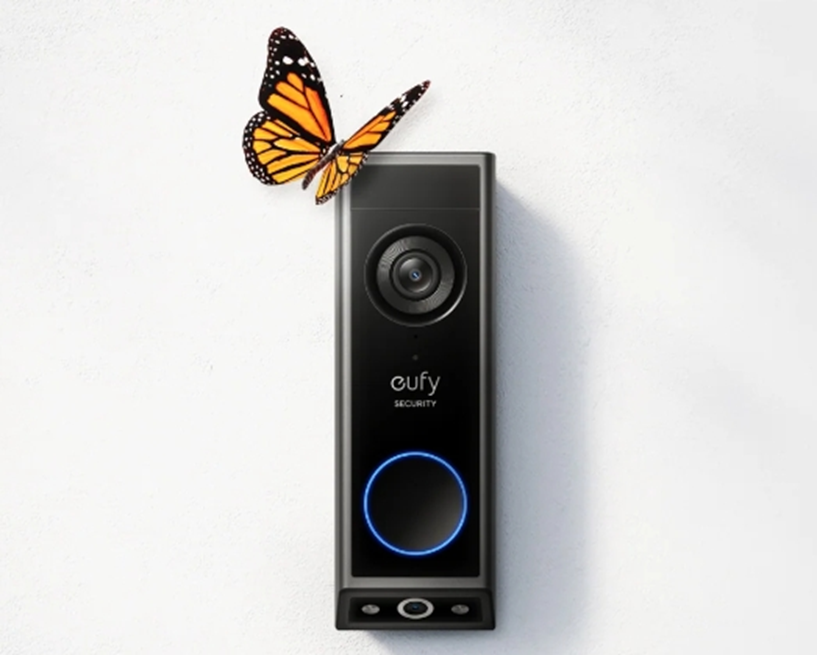
Choosing the right outdoor security camera system isn’t just about adding a technical gadget to your property; it’s about securing a reliable watch over your home’s exterior. With various models available, understanding what suits your safety requirements is crucial. Whether you need extensive coverage, simple monitoring, or smart home integration, the right choice will fulfill your security preferences and deliver lasting value. This guide clarifies factors critical to selecting an optimal security solution, cutting through the clutter of options with clarity and practical advice.
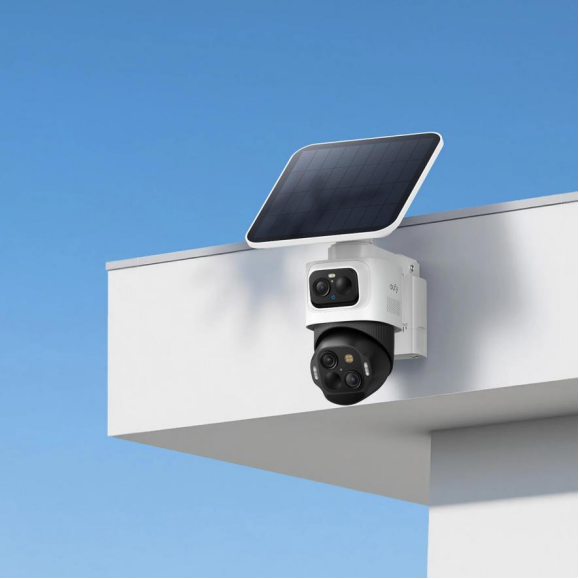
Understand Your Outdoor Security Needs
Assess Your Property Layout and Risk Areas
Begin by evaluating your property’s unique requirements. Look at potential entry points, such as doors, windows, and driveways, where security coverage is crucial. Analyzing the physical layout of your home helps decide camera placement for maximum impact. Consider factors like your property’s size and shape, identifying blind spots that could conceal threats. For instance, if your backyard is obscured by fences or trees, it might require additional cameras. Understanding traffic patterns in your neighborhood can indicate where threats are most likely to emerge, guiding your camera placement strategy. Think about specific areas of concern, such as garages or garden sheds, which may require more focused surveillance, ensuring no vulnerable spots are left unattended.
Decide Between Wired, Wireless, or Battery Cameras
Choosing between wired, wireless, or battery-powered cameras involves understanding their pros and cons. Wired cameras often offer stability and high video quality, ideal for areas with stable power access. However, they require more intensive installation. Wireless cameras, while easier to install, may rely on network strength and power sources. They offer flexibility in placement but may face interference. Battery-powered cameras provide the most installation flexibility and can be easy to mount, suitable for areas impossible to wire, but need regular charging or battery changes. Consider your willingness to manage these aspects against the advantages each camera type offers. Prioritizing convenience, reliability, or a blend of both will guide which system best suits your needs.
Key Features That Define a Reliable Outdoor Camera
Video Quality, Night Vision, and Field of View
Video quality is vital; higher resolutions capture more detail, aiding in identification and evidence gathering. Look for cameras offering at least 1080p resolution to ensure clear footage. Night vision is crucial, enabling cameras to record clear images even in low-light conditions. Infrared LEDs provide valuable night visibility, ensuring 24/7 security. Additionally, assess the camera’s field of view: a wide angle reduces the number of cameras needed for full coverage. A wider field captures expansive areas, simplifying setup while maximizing surveillance efficiency. These features collectively enhance your camera system’s ability to deliver detailed and reliable security footage, critical for keeping your property monitored effectively.
Motion Detection, AI Alerts, and Smart Home Support
Modern outdoor security cameras come equipped with motion detection and AI capabilities, offering advanced monitoring features. These can differentiate between movements, such as humans versus animals, reducing false alarms. Intelligent alert systems notify you of suspicious activities swiftly, ensuring immediate responses. Moreover, integration with smart home ecosystems can enhance your security setup. Cameras compatible with systems like Alexa or Google Home allow centralized control and further automation possibilities, such as locking doors or activating lights. These smart features optimize the functionality of your security system, adding layers of protection and convenience directly to your daily routines.
Weather Resistance, Durability, and Build Quality
Outdoor cameras must resist the elements, so weatherproofing is non-negotiable. Cameras rated at least IP65 withstand various weather conditions, including rain and dust. Additionally, robust build quality ensures longevity amid potential physical threats like vandalism. When evaluating brands, consider those with sturdy reputations, backed by robust industry reviews. The camera’s material – metal over plastic, for instance – often reflects durability, offering assurance that your equipment will endure the seasons. Investing in a camera that performs reliably over time delivers functional value, safeguarding your environment without frequent replacements.
Storage, Privacy, and Long-Term Value
Local vs Cloud Storage and Ongoing Costs
Decide between local or cloud storage based on your needs and budget. Local storage, via SD cards or hard drives, gives you control but may require more maintenance and risk data loss if the device is stolen. Conversely, cloud storage offers remote access and redundancy but usually incurs ongoing subscription fees. Factor these costs into your budget, weighing immediate savings against long-term security and convenience. Check whether cameras offer selectable options that fit your preference, balancing control, ease of access, and financial feasibility. Ensuring your chosen model supports both provides flexibility for future adjustments in storage strategy.
Privacy Controls, Data Security, and Brand Trust
As security systems handle sensitive data, privacy and trust are paramount. Choose brands with comprehensive data privacy policies and robust security measures like end-to-end encryption to safeguard your footage from unauthorized access. Investigate the manufacturer’s reputation, prioritizing those known for transparency and commitment to user privacy. Considering the brand’s history concerning data breaches or security flaws is equally important, ensuring your selection is based on a solid track record. Opt for systems that provide customizable privacy settings, granting you control over your information, thus maintaining not just your safety but also the confidentiality of your personal data.
Conclusion
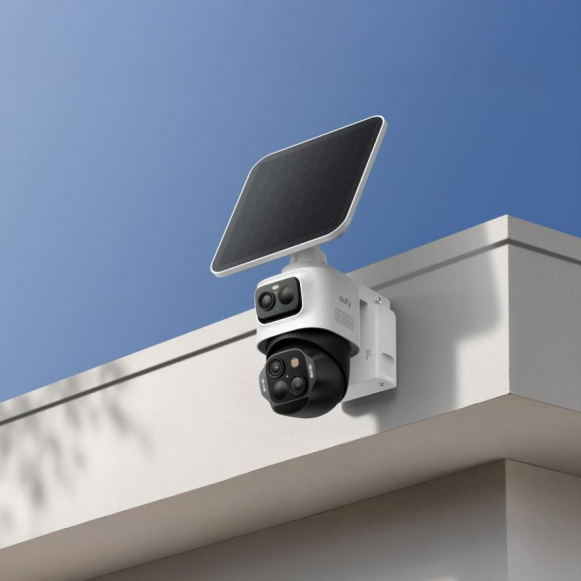
Selecting the best outdoor security camera system requires careful assessment of factors such as layout, technology, and personal priorities. By understanding your property’s unique characteristics and considering key features and storage solutions, you can make an informed decision that aligns with your security objectives. Focus on video quality, smart functionality, and build durability to ensure comprehensive protection. Align your choice with reliable brands that prioritize privacy and continuous performance, ensuring lasting peace of mind. With this information, you’re better equipped to choose a system that not only meets but exceeds your security expectations.