Unexpected situations can happen on the road, especially when traveling long distances in an RV. Mechanical issues, sudden weather changes, or simple accidents can quickly turn a smooth trip into a stressful experience. Having a well-prepared emergency kit helps reduce risk and allows problems to be handled calmly and efficiently. The right combination of safety gear, tools, and backup power can make a significant difference in comfort and protection. In this article, essential items are outlined to help RV owners stay prepared for common roadside and campsite emergencies.
1. Safety and Communication Gear
Fire Extinguisher and Warning Triangles
Fire safety equipment is a non-negotiable part of any RV emergency kit. A compact fire extinguisher rated for electrical and fuel fires allows quick response before a small incident becomes serious. Reflective warning triangles placed behind a stopped vehicle increase visibility to approaching drivers, especially at night or in poor weather. These simple tools help prevent secondary accidents during roadside breakdowns. Regular checks ensure they remain accessible and in working condition. Storing them in an easy-to-reach location saves valuable time if a fast response is required.
Weather Radio and Power Bank for Phones
Reliable communication tools help RV travelers stay informed and connected during emergencies. A battery-powered or hand-crank weather radio provides updates when cellular service is limited. Keeping a power bank charged ensures phones can still make calls, send messages, or access maps. Even short power outages or remote campsites can leave travelers without easy charging options. Backup communication power supports safer decision-making when conditions change unexpectedly. Consistent access to information reduces uncertainty and improves response times.
2. Basic Mechanical Tools
Tire Repair Kit and Air Compressor
Tire problems are among the most common roadside issues for RVs. A basic tire repair kit can temporarily seal small punctures, allowing travel to continue safely to a service location. A portable air compressor helps maintain proper tire pressure, which improves fuel efficiency and vehicle handling. Monitoring and adjusting tire pressure regularly also reduces the risk of blowouts. Having these tools on hand saves time and reduces dependence on roadside assistance. Routine checks with these tools can also extend overall tire lifespan.
Jumper Cables and Multi-Tool
Battery issues can occur after long stops or in cold weather. Jumper cables allow a drained vehicle battery to be restarted with help from another vehicle. A sturdy multi-tool with pliers, blades, and screwdrivers supports small fixes inside or outside the RV. These compact tools handle a wide range of minor repairs without taking up much storage space. Versatile equipment increases self-sufficiency during travel. Keeping tools organized in one container makes them easier to find during stressful moments.
3. Backup Power Supply
Portable Power Station for Essential Devices
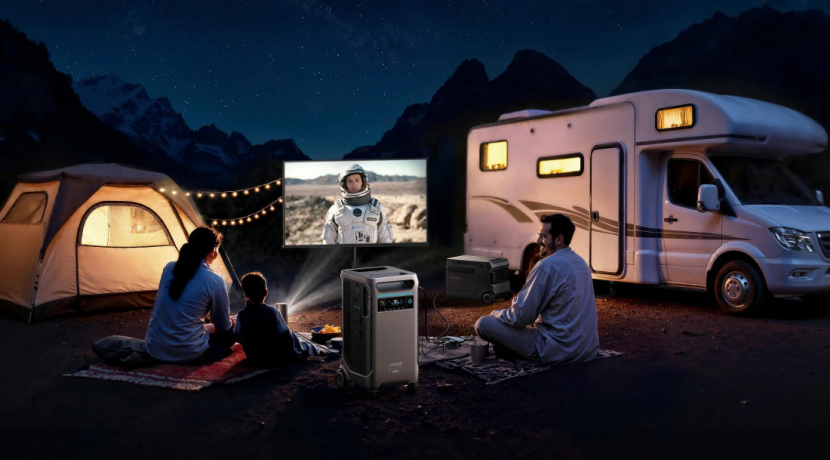
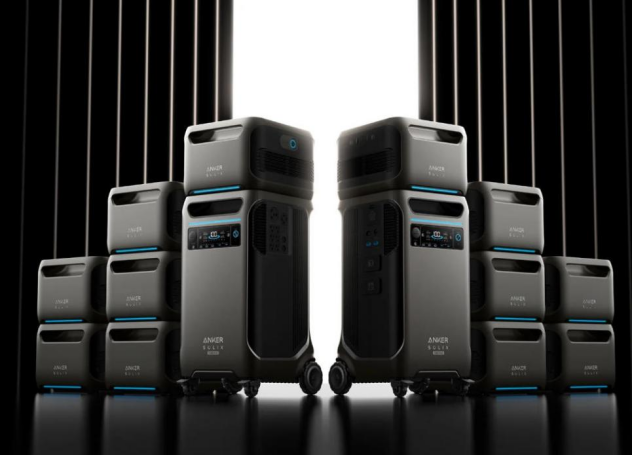
The portable power station offers a dependable source of electricity when RV systems or vehicle batteries are unavailable, powering essentials like small medical devices, lights, phones, and communication gear during extended stops. Many RV travelers include models such as the Anker SOLIX series in their emergency kits—thanks to their durable build, versatile output options, and efficient battery design, they’re well-suited for life on the road. Their quiet, emission-free operation also makes them safe to use indoors when outdoor conditions aren’t favorable. Carrying this kind of backup power adds both flexibility and peace of mind in unexpected situations, and it can even help prevent food spoilage by briefly running a small cooler when needed.
Flashlights, Headlamps, and Extra Batteries
Lighting is essential for safe movement and repairs after dark. Flashlights and headlamps provide hands-free visibility when checking tires, inspecting engine compartments, or navigating campsites. Extra batteries ensure lights remain usable during extended outages. Good lighting reduces the risk of trips, falls, or mistakes during nighttime tasks. Reliable illumination improves both safety and efficiency. Keeping one light source within arm’s reach inside the RV adds extra nighttime security.
4. First Aid and Survival Supplies
Medical supplies are critical when immediate professional help is not nearby. A well-stocked first aid kit should include bandages, antiseptic wipes, pain relievers, and blister care items. Emergency blankets and extra water provide support during unexpected overnight delays. Non-perishable snacks help maintain energy if travel is interrupted for long periods. These basic survival items support health and comfort while waiting for assistance. Regularly reviewing expiration dates ensures supplies remain safe and effective when needed.
5. Documentation and Recovery Items
Copies of Important Papers
Important documents can be difficult to replace during travel disruptions. Keeping copies of identification, insurance information, and vehicle registration in a waterproof folder ensures quick access when needed. Digital backups stored securely on a phone or drive add another layer of protection. Clear documentation speeds up assistance from service providers or authorities. Organized records reduce stress in already challenging situations. Having both paper and digital versions improves reliability if one format becomes inaccessible.
Tow Straps and Duct Tape
Recovery tools help address common roadside problems. A heavy-duty tow strap allows another vehicle to help move an RV short distances if it becomes stuck. Duct tape serves as a temporary fix for loose panels, minor leaks, or damaged hoses. These items are lightweight but highly versatile in emergency scenarios. Practical recovery tools help travelers handle small setbacks without major delays. Simple temporary fixes can prevent further damage until professional repairs are available.
Conclusion
An effective RV emergency kit combines safety gear, mechanical tools, medical supplies, and reliable backup power. These items prepare travelers to manage breakdowns, unexpected delays, and nighttime challenges with greater confidence. Portable lighting and communication support keep situations under control even in remote areas. Thoughtful preparation reduces stress and allows faster, safer responses to problems on the road. With the right tools on board, RV owners can travel knowing they are ready for the unexpected.