
Introduction
The convenience of fast charging has revolutionized our approach to using devices, enabling us to quickly power up and maintain our connectivity. Yet, the conversation around possible long-term effects on battery health persists. Users frequently question if this rapid solution comes at the price of a reduced battery lifespan. This blog delves into the influence of fast charging on battery longevity, dispels common myths, and shares strategies to minimize potential negative impacts. By understanding the technology behind fast charging and adopting best practices, you can confidently use this feature without endangering your device’s health.
Understanding Fast Charging Technology
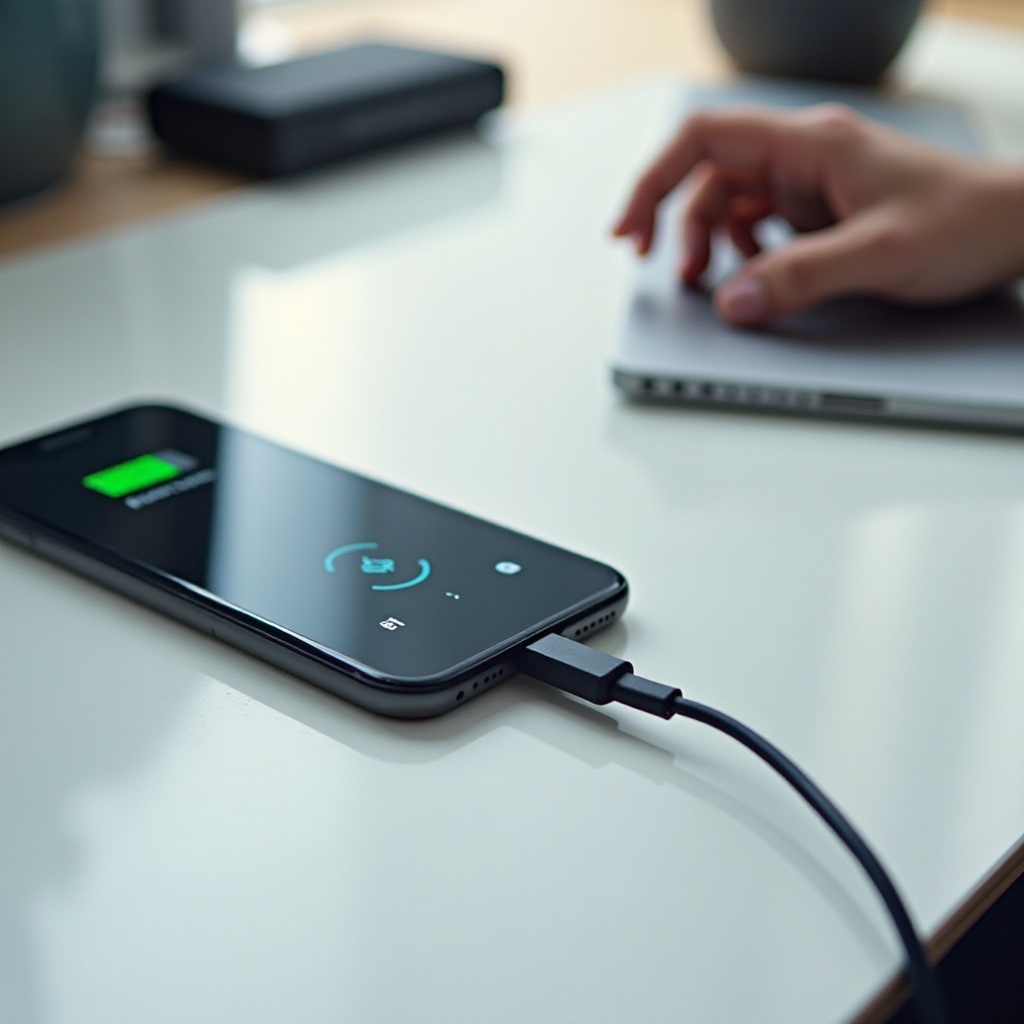
Fast charging technology utilizes advanced electrical systems to minimize charging time significantly. It does so by increasing the power output (measured in watts) to allow swift energy replenishment. Devices and chargers compatible with fast charging feature specialized circuitry managing higher power flows to ensure the battery charges efficiently without overheating or sustaining damage.
Various fast charging standards such as Qualcomm’s Quick Charge and USB Power Delivery have been developed, each offering unique features and compatibility. These technologies adjust voltage and current levels to align with the device’s specifications, optimizing the charging process. Grasping these concepts provides a base to understand how fast charging interacts with battery chemistry—a significant contributor to its impact on battery life.
How Battery Chemistry Influences Charging Efficiency
Fast charging’s effect on battery health closely relates to the battery chemistry in today’s electronic devices. Most smartphones, tablets, and laptops rely on lithium-ion batteries, chosen for their energy density and rechargeable nature. However, the chemistry of these batteries makes them susceptible to heat and excessive charging cycles.
Batteries engage in chemical reactions during each charge and discharge cycle. Fast charging can lead to increased heat generation, as higher power throughput pushes up the temperature. Over time, elevated temperatures degrade battery components, impacting maximum capacity and efficiency. Understanding the nuances of battery chemistry is essential for examining how fast charging might influence battery life, which we explore next.
The Impact of Fast Charging on Battery Life
The main concern around fast charging is its potential effect on the immediate performance and long-term health of batteries. Consistent exposure to high temperatures during fast charging can speed up the degradation of internal battery materials, possibly reducing the battery’s ability to retain a charge.
Moreover, fast charging may involve multiple perceived charging cycles in one session due to more frequent use. These factors contribute to the belief that fast charging minimizes battery lifespan. However, the degree of this effect can differ based on several elements, including the frequency of fast charging, charger quality, and the device’s inherent temperature management.
Understanding these potential effects encourages a thoughtful use of fast charging in daily life. Ensuring device compatibility with fast charging and adopting conscious charging routines can mitigate its long-term impact. Now, we’ll explore some myths surrounding fast charging.
Addressing Common Myths About Fast Charging
Numerous myths concerning fast charging persist, leading to misconceptions. Let’s address a few:
-
Fast Charging Always Harms Battery: While it can lead to gradual wear, most modern devices incorporate protective features that oversee and regulate heat, minimizing any potential damage.
-
Overnight Charging with a Fast Charger Causes Damage: Many devices now automatically slow the charging process as they approach full capacity, precluding any damage even when left connected overnight.
-
Fast Charging Technologies are Unsafe: Fast-charging technologies abide by stringent standards, incorporating safety measures to prevent overheating and power cutoff should unsafe conditions arise.
By dispelling these myths, users can hone in on informed practices to integrate fast charging effectively. We’ll now suggest some best practices to maintain battery health.
Best Practices for Using Fast Charging
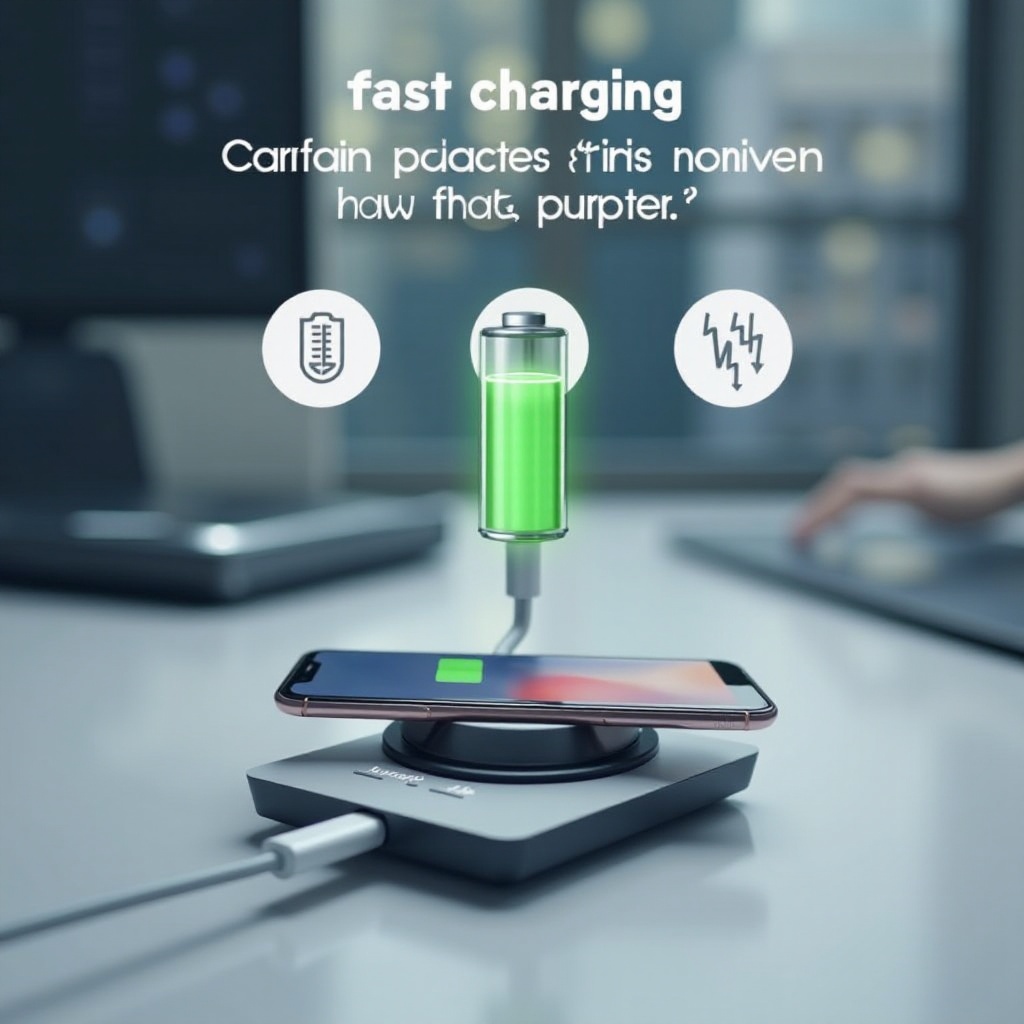
To maintain your battery’s long life while enjoying fast charging, consider these practices:
-
Use Certified Chargers: Ensure you use chargers aligned with your device’s fast charging standards to guarantee compatibility and safety.
-
Monitor Temperature: Refrain from charging the device in extremely hot environments, such as in direct sunlight or near heat sources. Allow it to cool if it overheats.
-
Limit Full Cycles: Try to avoid depleting the battery completely and charging it to 100% frequently. Partial charges are gentler on your battery.
-
Opt for Slower Charging When Possible: If not urgent, utilizing standard charging can be more beneficial for your battery’s health.
These practices aim to find a balance between the convenience of fast charging and battery care, helping extend your device’s battery life. We now conclude with a brief summary.
Conclusion
Fast charging brings undeniable convenience, particularly in our fast-paced world. Although it might influence battery life, modern technologies coupled with smart user practices can mitigate these effects. By comprehending the interaction between fast charging, battery chemistry, and device management systems, you can enjoy rapid charging confidently. Approach fast charging wisely by staying informed and adhering to practices that safeguard your device’s longevity.
Frequently Asked Questions
Does fast charging shorten battery lifespan?
Fast charging can lead to quicker battery wear over extended periods due to heat and frequent cycles. However, its effects can be lessened with careful usage.
What are the safest fast charging practices?
Use certified fast chargers, monitor device temperature, opt for partial charges when possible, and avoid charging in excessive heat or with uncertified chargers.
Is it okay to leave my phone charging overnight with a fast charger?
Yes, most modern devices reduce the charging speed as they near full capacity to ensure safety during overnight charging. Certified chargers further enhance this protection.